
Dwell Time in Disinfection: Why It Matters More Than You Think
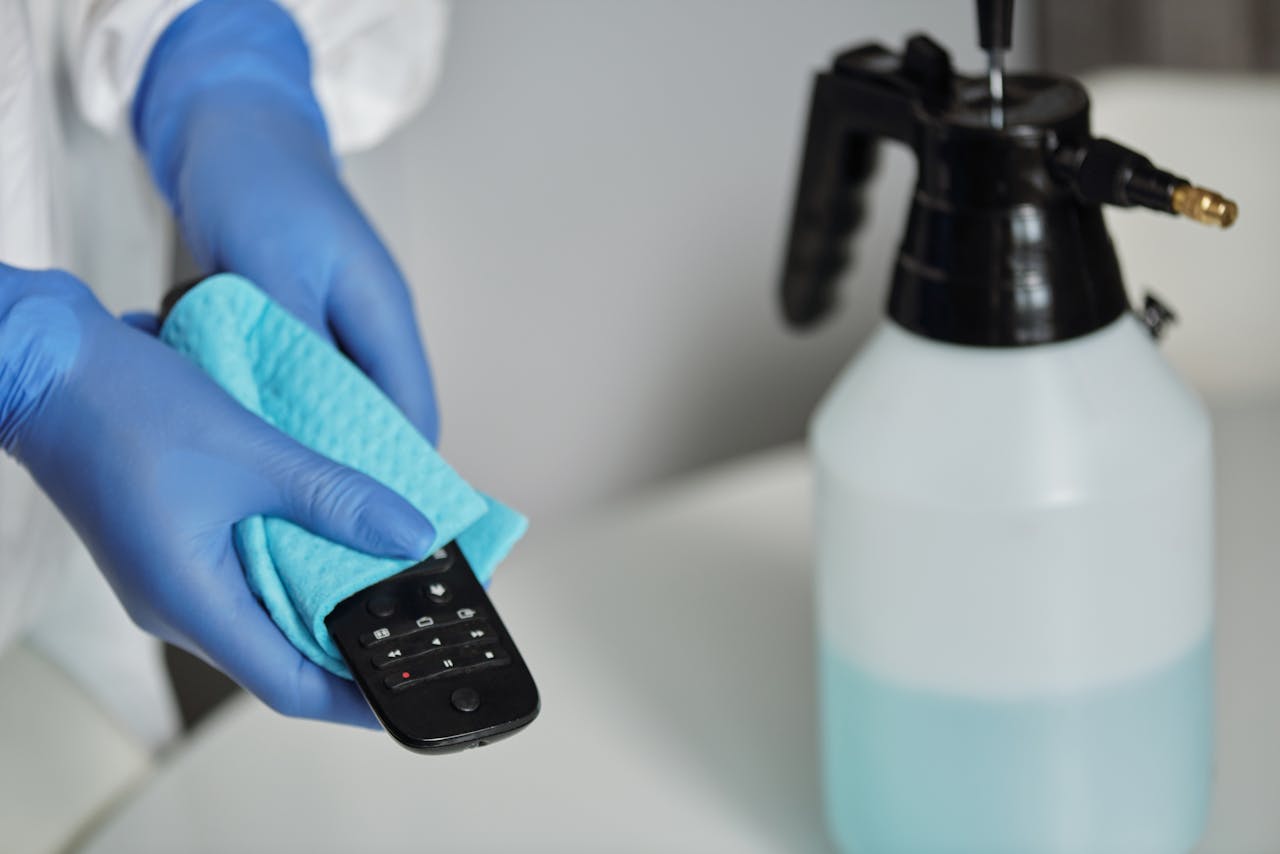
If you’ve ever watched someone clean a surface, you’ve probably seen the same pattern. Spray, wipe, move on. It feels efficient. It looks professional. It checks the box.
But that quick wipe might be undoing the entire point of using a disinfectant in the first place.
Disinfectants are not instant. They are designed to work over a specific period of time, and if that time is cut short, their effectiveness drops off fast. This is where dwell time comes in, and why it quietly determines whether your cleaning program is actually working.
The Step That Gets Skipped Most Often
Dwell time is the amount of time a disinfectant needs to stay visibly wet on a surface to kill bacteria and viruses. It is printed right on the label, but rarely makes it into day-to-day practice.
In busy facilities, speed tends to take priority. Staff are moving quickly between tasks, and wiping immediately after spraying becomes second nature. Unfortunately, that habit short-circuits the chemistry.
A disinfectant cannot do its job if it is removed too soon. Even high-quality products will underperform if they are not given enough contact time.
What makes this tricky is that everything still looks clean. There is no obvious sign that anything was missed, which is why this issue often goes unnoticed.
Why It Matters More Than You Think
When dwell time is ignored, the result is not just incomplete disinfection. It is a system that appears effective but is not delivering the protection people expect.
In environments like schools, gyms, healthcare spaces, and offices, that gap matters. Illness can spread more easily, complaints may increase, and trust in the cleanliness of the space can erode over time.
There is also a financial side to it. Disinfectants are being used, but not used correctly. That means you are paying for performance you are not actually getting.
Over time, repeated quick applications can even contribute to residue buildup or surface wear, especially when products are layered without being given time to work as intended.
How to Fix the Problem Without Disrupting Your Team
Improving dwell time does not mean slowing everything down. It means making small adjustments that align your process with how disinfectants are designed to work.
Start by reinforcing the difference between cleaning and disinfecting. Removing dirt is one step. Killing microorganisms requires time. In some cases, that may mean allowing a surface to air dry instead of wiping immediately.
Next, evaluate whether your current products match your workflow. If a disinfectant requires a long dwell time that your team cannot realistically meet, switching to a faster-acting option can make a big difference.
Finally, simplify your system. Clear instructions, fewer products, and consistent training help ensure that dwell time is not left up to guesswork.
Make Every Step of Your Cleaning Process Count
At Sani-Chem, we work with businesses to turn cleaning programs into more reliable, efficient operations. From helping you choose the right disinfectants to building processes your team can stick to, we focus on what actually works in real-world settings.
Call 1-800-983-8280 to connect with the Sani-Chem team and take a closer look at how your cleaning program is performing.