
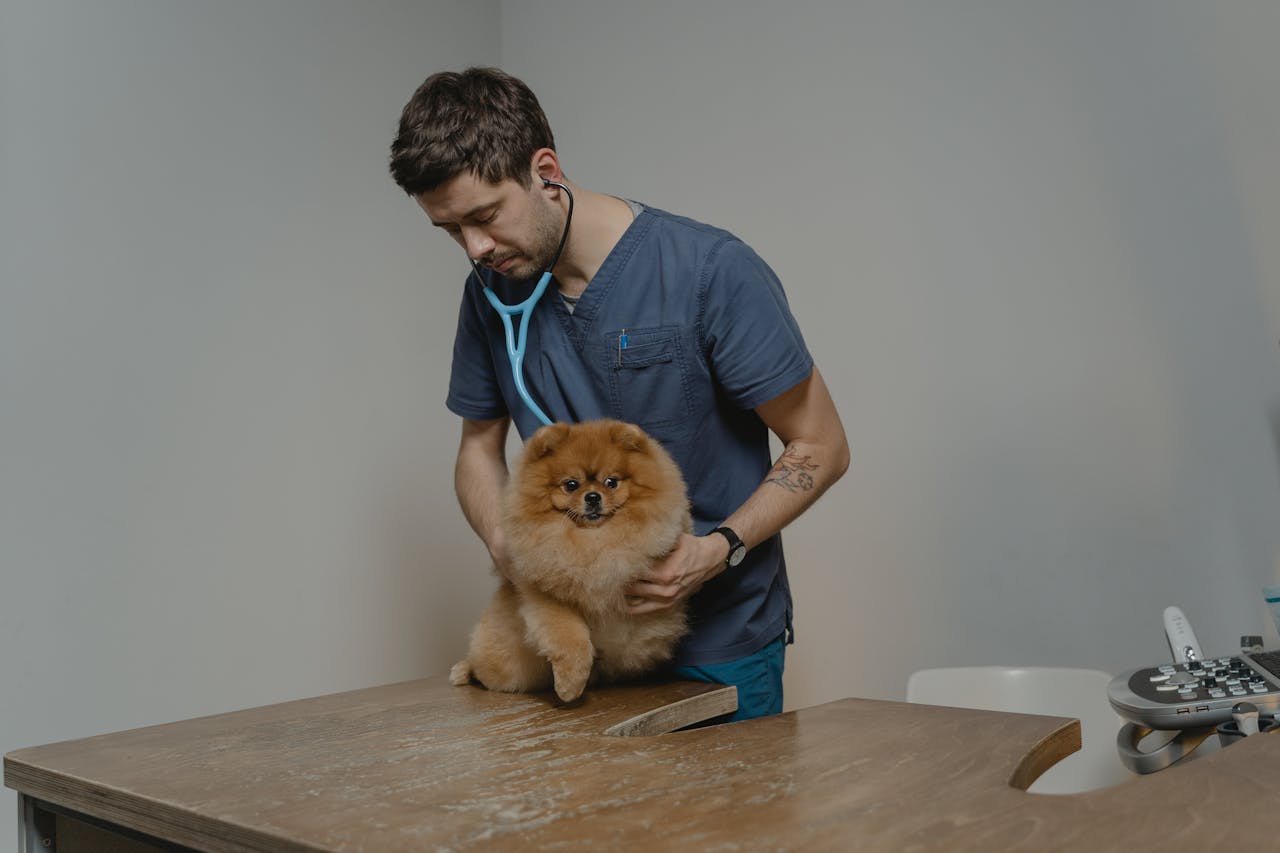
Safer Kennels & Clinics: The Science of Disinfection
Walk through any kennel, shelter, or veterinary clinic, and you’ll see the same routine: spray bottles, mop buckets, staff working fast between animals. It looks like cleaning. And in a lot of ways, it is. But visible surfaces aren’t where disease lives — it lives in the air, in the seams of kennel flooring, in the corners nobody gets to between the morning rush and the afternoon intake. Traditional disinfection was built for a world that’s easier to clean than the one these facilities actually operate in.
That’s the gap Sani-Chem is working to close, alongside two partners who have built their businesses around it: Annihilare and GEIA Solutions.
The Most Natural Disinfectant In The World
Hypochlorous acid isn’t a new invention. It’s what white blood cells produce when the body fights off bacteria and viruses. At proper concentrations, it’s EPA-registered, leaves no residue, and breaks down into saline after use. There’s no harsh fume, no surface damage, no need to move animals out before you apply it.
Annihilare‘s formulations bring that chemistry into animal care environments at professional grade, effective against parvovirus, kennel cough, ringworm, E. coli, and resistant staph strains, among others.
“Facilities shouldn’t have to choose between something that works and something that’s safe,” says Marty Paris, owner of Annihilare. “We built this because that tradeoff never made sense.”
Application Matters As Much As Chemistry
Good chemistry applied badly is still bad disinfection. Spray bottles miss what they can’t reach. Staff working a busy Saturday morning miss what they don’t have time to reach. GEIA Solutions built its dry misting technology around that reality.
GEIA’s system converts HOCl into droplets measuring one to three microns, small enough to stay airborne long enough to move through an entire room before settling. Dry misting reaches kennel runs, bedding seams, overhead vents, and the airspace above cages in a single treatment cycle. One treatment cycle addresses all of it, without saturating surfaces or requiring the space to sit empty afterward.
“The difference lies in its consistency,” says Dustin Bangerter, owner of GEIA Solutions. “Manual cleaning depends on who’s working and how much time they have. Dry misting doesn’t.”
Wasatch Canine Camp has stayed kennel cough-free since implementing the system. Beth Tracy, who runs the facility, called it a game-changer for their winter wellness protocol.
How Sani-Chem Puts It All To Work
Scrubbing and wiping get animal care facilities most of the way there. Annihilare and GEIA cover the rest. The dry misting fills in what manual cleaning can’t consistently reach: treated air, covered surfaces, neutralized odors, without adding labor or requiring downtime.
For kennels managing peak boarding season, for clinics running parvo isolation rooms, for shelters moving animals in and out daily, that added layer is what separates a good cleaning program from one that actually holds up under pressure. Sani-Chem’s role is to help facilities build it, determine the right combination of chemistry and delivery, and ensure it fits into the workflows teams are already running.
Talk to the Sani-Chem experts about what this looks like in your facility. Whether you’re running a two-room clinic or a 200-kennel operation, we’ll help you identify the gaps and close them.