
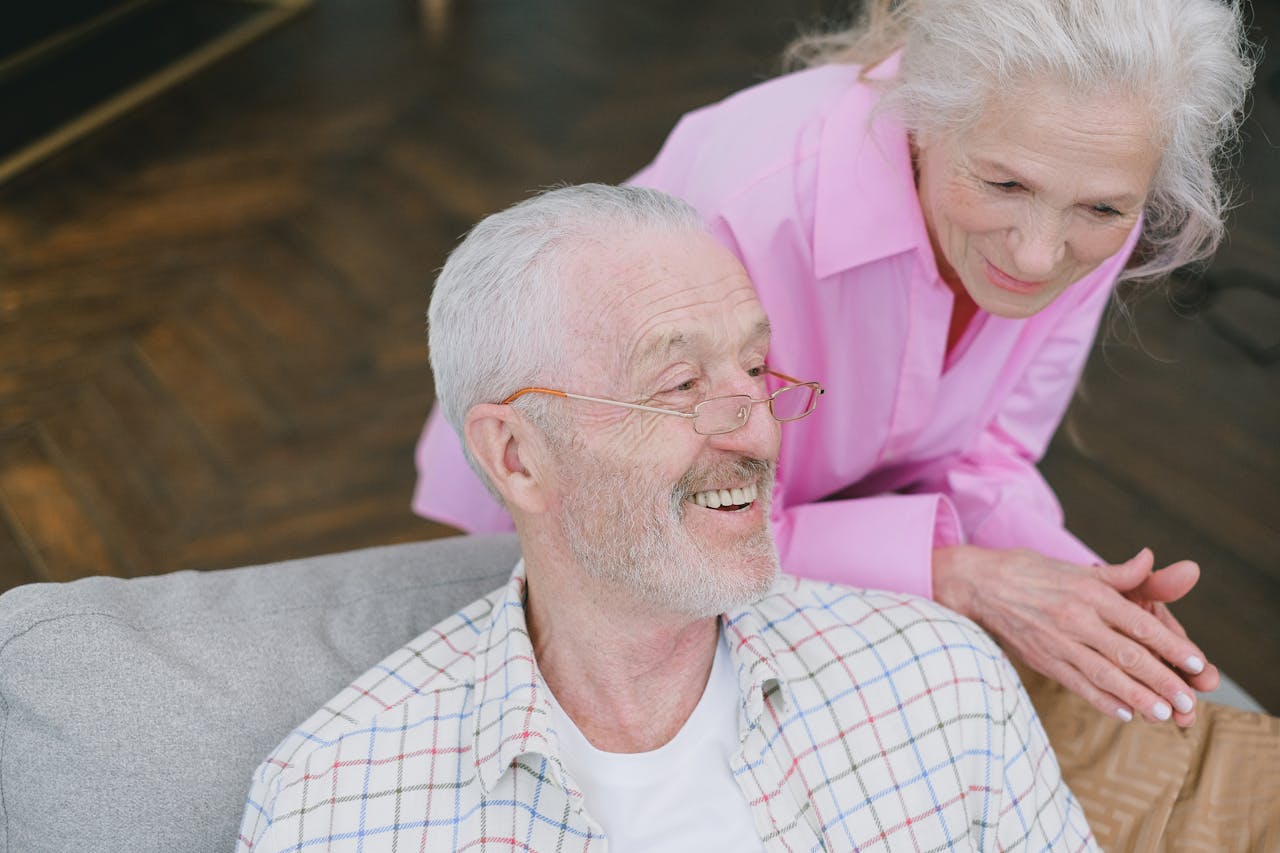
Disinfection Challenges in Senior Living Facilities
Senior living facilities operate under pressure that most commercial buildings never face. Residents share dining rooms, common areas, and hallways while also being among the most immunocompromised populations in any community. A lapse in disinfection protocol is not just an operational failure. It can become a health crisis within days. Understanding the unique obstacles these environments present is the first step toward building a cleaning program that actually protects people.
A Population That Cannot Afford Mistakes
Older adults have immune systems that respond more slowly and less effectively to pathogens. What causes a mild illness in a healthy adult can send a senior to the hospital. This reality means that standard commercial cleaning benchmarks are simply not good enough in these settings. Facilities need hospital-influenced thinking applied to a residential environment. That tension, between making residents feel at home and keeping surfaces clinically safe, shapes every decision a facility manager makes about products, schedules, and staff training.
High-Touch Surfaces in Unexpected Places
Most cleaning teams know to focus on doorknobs, handrails, and elevator buttons. In senior living, the high-touch map extends much further. Shared remote controls in common television rooms, chair armrests in activity spaces, communal dining table edges, and even mobility aids that residents park in hallways all become transmission points. Because residents spend more of their time indoors and move through the same spaces repeatedly throughout the day, pathogens have more opportunities to spread between cleanings. Facilities that only clean these surfaces once daily are leaving significant gaps in their protection.
The Dwell Time Problem
Even when staff use the correct disinfectant, one of the most common failures in senior care environments is failing to allow adequate dwell time. Disinfectants need to remain visibly wet on a surface for a specific period, often two to ten minutes, depending on the product and the target pathogen, before they can do their job. In a fast-paced care environment where staff are juggling multiple responsibilities, surfaces are often wiped almost immediately. A product applied and removed in thirty seconds may sanitize but will rarely disinfect. Choosing the right chemistry and training staff on contact time requirements is one of the highest-impact improvements any senior living facility can make.
Building a Protocol That Holds Up Under Pressure
The solution is not simply buying a stronger chemical. It is building a layered system that accounts for resident patterns, staff capacity, and product performance. Color-coded microfiber systems reduce cross-contamination between zones. Ready-to-use disinfectants with shorter dwell times help when speed is unavoidable. Regular audits of high-touch areas throughout the day, rather than a single end-of-day sweep, close the gaps left open by once-daily cleaning. And ongoing staff education keeps the reasoning behind each step visible, so shortcuts are less likely when supervisors are not watching.
Senior living facilities that treat disinfection as a science rather than a checklist are the ones that keep outbreaks contained and residents safer through every season.
Build a Safer Facility With the Right Partner
At Sani-Chem, we work with senior living facilities across the country to build disinfection programs that hold up under real-world conditions. From product selection to staff training support, our team can help you close the gaps that put residents at risk. Call us at 1-800-983-8280 or contact us online to find the right solutions for your facility.